A fourth poem by the Serbian poet and traveler Jelena J. Dimitrijević. This poem was first published in the journal Misao 31.5-8 (1929) and again in 2025 in her poetry collection K suncu za Suncu (To the Sun, for the Sun) from the manuscript.
Translation of a second poem by Serbian writer and world traveler Jelena J. Dimitrijević, from her collection of poems written during her journey through India in 1927.
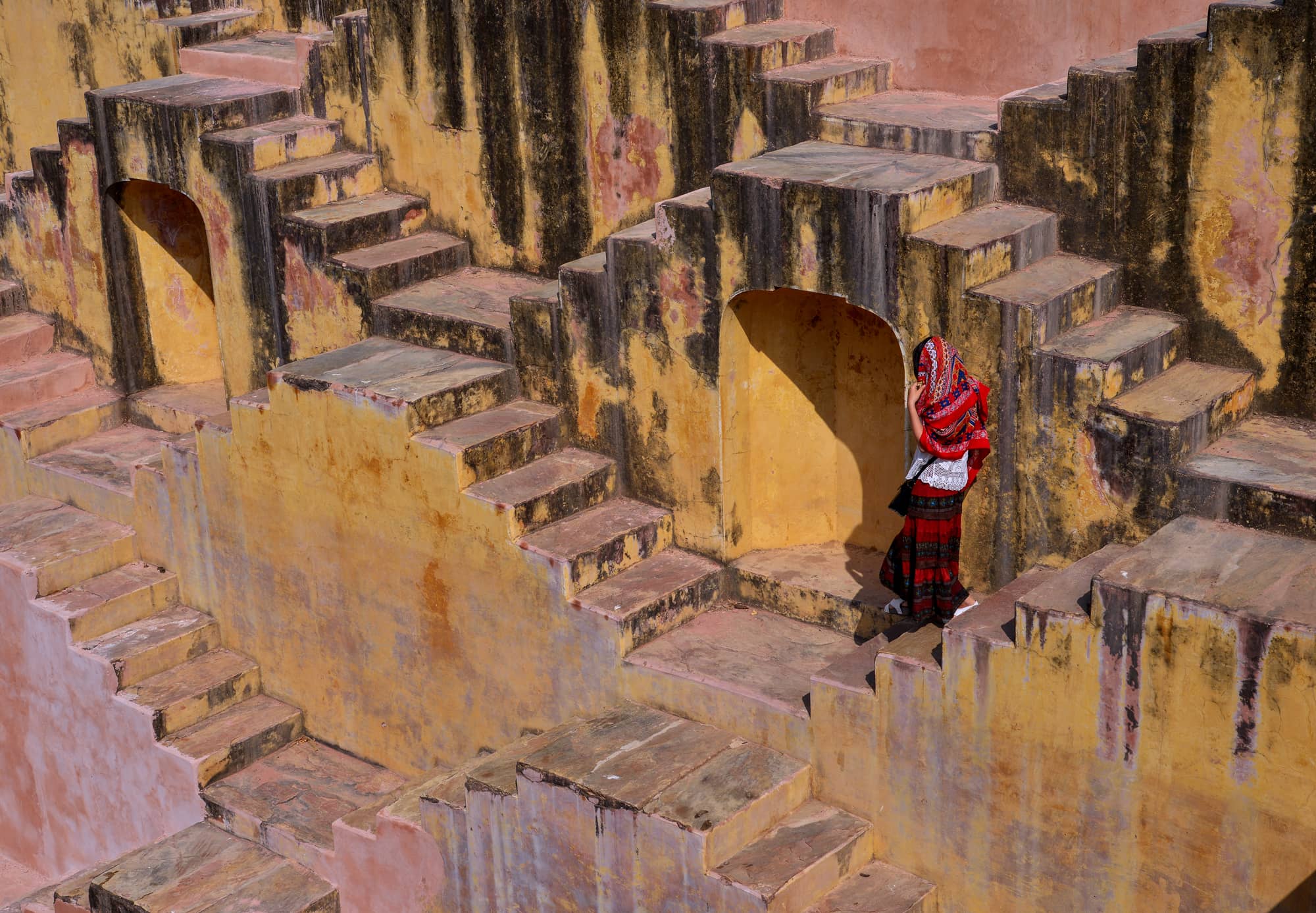
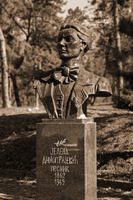
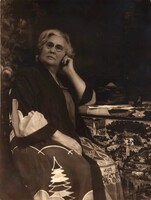
Jelena J. Dimitrijević (1862, Kruševac – 1945, Belgrade) was a Serbian writer and world traveler. Known for her profound intercultural curiosity and cosmopolitanism, she undertook a journey around the world in 1926, visiting India in 1927. The travelogues and poetry she wrote remained partly in manuscript. The poetry collection written during that journey (To the Sun, for the Sun) was published in 2025.
In these excerpts from O národních písních a pověstech plemen slovanských (On National Songs and Myths of Slavic Peoples, 1853), Ľudovít Štúr (1815–1856), who was one of the most important figures of the Slovak national revival, claims that the pantheistic worldview appears strongly in both Indian and Slavic traditions. According to him, Indian tradition seeks union with the divine through suppressing thought, desire, emotion, and even life itself, whereas Slavic legends emphasise courage, action, self-denial, and helping others. He thus sees a fundamental affinity and difference between the Slavs and the Indians.
The author wrote this description of the Malabar region of India with the goal to obtain funding, public support, and recognition of Belgian Christian donors and churchgoers for the Belgian Carmelite mission’s efforts to convert native inhabitants of Malabar. For this goal, pamphlets and booklets (such as this one) were produced which are today kept in various repositories, as in the libraries of Carmelite cloisters in Ghent or Bruges. It details how Carmelite missionaries' conversion of the so-called ‘pagans’ or ‘heathens’ to the Christian faith worked on the Malabar Coast (and inland villages in Kerala).

 On the Ganges, as the Sun Rises A fourth poem by the Serbian poet and traveler Jelena J. Dimitrijević. This poem was first published in the journal Misao 31.5-8 (1929) and again in 2025 in her poetry collection K suncu za Suncu (To the Sun, for the Sun) from the manuscript.
 Noon in Puri Translation of a third poem by Serbian writer and world traveler Jelena J. Dimitrijević, written after a visit to the Indian city of Puri in 1927.
 India Translation of a second poem by Serbian writer and world traveler Jelena J. Dimitrijević, from her collection of poems written during her journey through India in 1927.
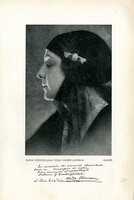 Evening in Puri Jelena J. Dimitrijević (1862, Kruševac – 1945, Belgrade) was a Serbian writer and world traveler. Known for her profound intercultural curiosity and cosmopolitanism, she undertook a journey around the world in 1926, visiting India in 1927. The travelogues and poetry she wrote remained partly in manuscript. The poetry collection written during that journey (To the Sun, for the Sun) was published in 2025.
 On the Affinity and Difference between the Slavs and the Indians. Excerpts from O národních písních a pověstech plemen slovanských (On National Songs and Myths of Slavic Peoples) In these excerpts from O národních písních a pověstech plemen slovanských (On National Songs and Myths of Slavic Peoples, 1853), Ľudovít Štúr (1815–1856), who was one of the most important figures of the Slovak national revival, claims that the pantheistic worldview appears strongly in both Indian and Slavic traditions. According to him, Indian tradition seeks union with the divine through suppressing thought, desire, emotion, and even life itself, whereas Slavic legends emphasise courage, action, self-denial, and helping others. He thus sees a fundamental affinity and difference between the Slavs and the Indians.
 Note on the Missions of the Discalced Carmelites at Malabar (Notice sur les Missions des Carmes Déchaussés au Malabar) The author wrote this description of the Malabar region of India with the goal to obtain funding, public support, and recognition of Belgian Christian donors and churchgoers for the Belgian Carmelite mission’s efforts to convert native inhabitants of Malabar. For this goal, pamphlets and booklets (such as this one) were produced which are today kept in various repositories, as in the libraries of Carmelite cloisters in Ghent or Bruges. It details how Carmelite missionaries' conversion of the so-called ‘pagans’ or ‘heathens’ to the Christian faith worked on the Malabar Coast (and inland villages in Kerala).