Translation of an article titled “Wat is de kleine wereld groot! ‘Alleen de haat is reëel’” (How big is the small world! ‘Only the hate is real), published in the Belgian Catholic newspaper De Standaard, on January 9, 1958.
Translation of an article titled published on August 7, 1893, in Het Nieuwe Dagblad voor Utrecht en de Provincie, a Dutch regional newspaper based in Utrecht and intended for a Catholic reading public.
Translation of an article that provides the Czech scholar of religion Otakar Pertold’s response to the increasing popularity of Buddhism in Europe in the second half of the 19th century. This popularity led many Europeans to leave their countries and take refuge in the Three Gems in Buddhist monasteries across Asia, most commonly in contemporary Sri Lanka and Myanmar. Pertold bases his radical “no” to the question in the title on two grounds explained in the translated text.
The translation consists of the section on ‘East India’ from a work by the Slovak Protestant cleric, writer, and educator Ladislav Bartholomeides, who played a key role in spreading Enlightenment ideas in the Kingdom of Hungary. His account of India is the earliest known of its kind in Slovak culture.

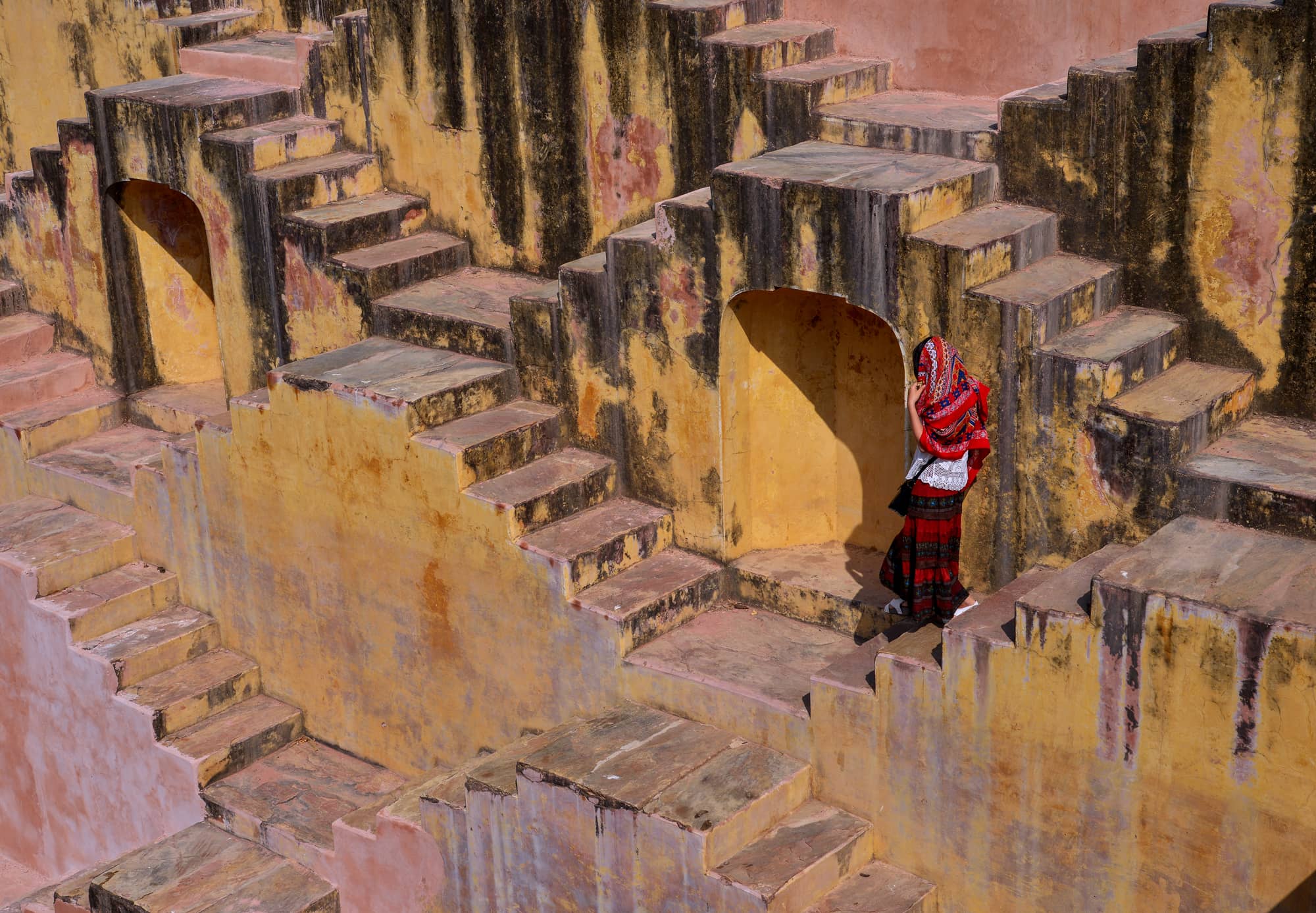
 ‘Alleen de haat is reëel’ (‘Only the hate is real’) Translation of an article titled “Wat is de kleine wereld groot! ‘Alleen de haat is reëel’” (How big is the small world! ‘Only the hate is real), published in the Belgian Catholic newspaper De Standaard, on January 9, 1958.
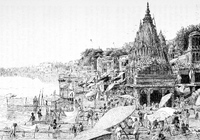 Dwars door Britsch-Indië (Across the British East Indies) Translation of an article published in the Dutch Catholic newspaper De Tijd, on January 18, 1930.
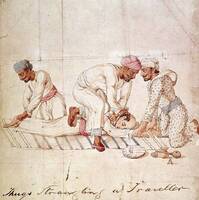 De moordgodin Bowani (The murder goddess Bhowani) Translation of an article published on August 17th, 1934, in Het Nieuwsblad van het Zuiden, a Dutch regional newspaper based in Tilburg.
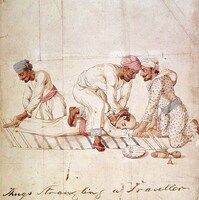 Uit de Heidenwereld: Een Hindoesche roversbende (From the Heathen World: A Hindu Band of Robbers) Translation of an article titled published on August 7, 1893, in Het Nieuwe Dagblad voor Utrecht en de Provincie, a Dutch regional newspaper based in Utrecht and intended for a Catholic reading public.
 Jest buddhismus náboženství vhodné pro Evropana? (Is Buddhism a religion convenient for Europeans?) Translation of an article that provides the Czech scholar of religion Otakar Pertold’s response to the increasing popularity of Buddhism in Europe in the second half of the 19th century. This popularity led many Europeans to leave their countries and take refuge in the Three Gems in Buddhist monasteries across Asia, most commonly in contemporary Sri Lanka and Myanmar. Pertold bases his radical “no” to the question in the title on two grounds explained in the translated text.
 “Indya wychodnj” (East India), in Geograffia aneb Wypsánj Okrsslku Zemského (Geography, or a Description of the Earth’s District) The translation consists of the section on ‘East India’ from a work by the Slovak Protestant cleric, writer, and educator Ladislav Bartholomeides, who played a key role in spreading Enlightenment ideas in the Kingdom of Hungary. His account of India is the earliest known of its kind in Slovak culture.