The translation consists of parts of a travelogue by the Serbian doctor and academic Milan Jovanović Morski. After getting his degree in medicine in Leipzig in 1867, he travelled for some time as a cruise-ship doctor for the Austrian company “Lloyd” and wrote accounts of his visits to India, China, and other Asian countries.
Translation of a Dutch 19th-century newspaper article on the so-called ‘thugs’, robbers who were allegedly motivated by their religious beliefs and followed a specific modus operandi: they strangled and robbed unsuspecting travelers on desolate travel routes and claimed to follow ‘divine instructions’ from Kali. The article was published in three parts in the regional newspaper Vlissingsche Courant in 1837.
A translation of an article on the ‘Great Mutiny’ or Indian Rebellion of 1857, where the author relates it to the policy of religious neutrality of the East India Company. The original Dutch article was published in 1858 in a periodical of the Dutch Reformed Church but was itself a translation of a German text by Dr. Wilhelm Hoffman.
Translation of a Dutch text which appeared in 1799 in a weekly that targeted an audience of children aged between six and twelve. Its content shows how problematic many late-18th-century European accounts of Indian ‘religion’ and society were and how these built on certain presuppositions about race and religion shared by the author and his young readers.
Translation of a Dutch article on the Indian ‘thugs’, originally published in 1872 in a periodical of the Dutch Reformed Church. Written by a reverend of this Calvinist church, it was meant for a Protestant-Christian public and sought to illustrate the ‘horrors’ of heathen religion.
A translation of a Belgian newspaper article on the thugs, originally written in Dutch and published in 1933. The author draws on a British book by James L. Sleeman and describes the eradication of thuggee as an illustration of the positive effects of British colonial rule in India.

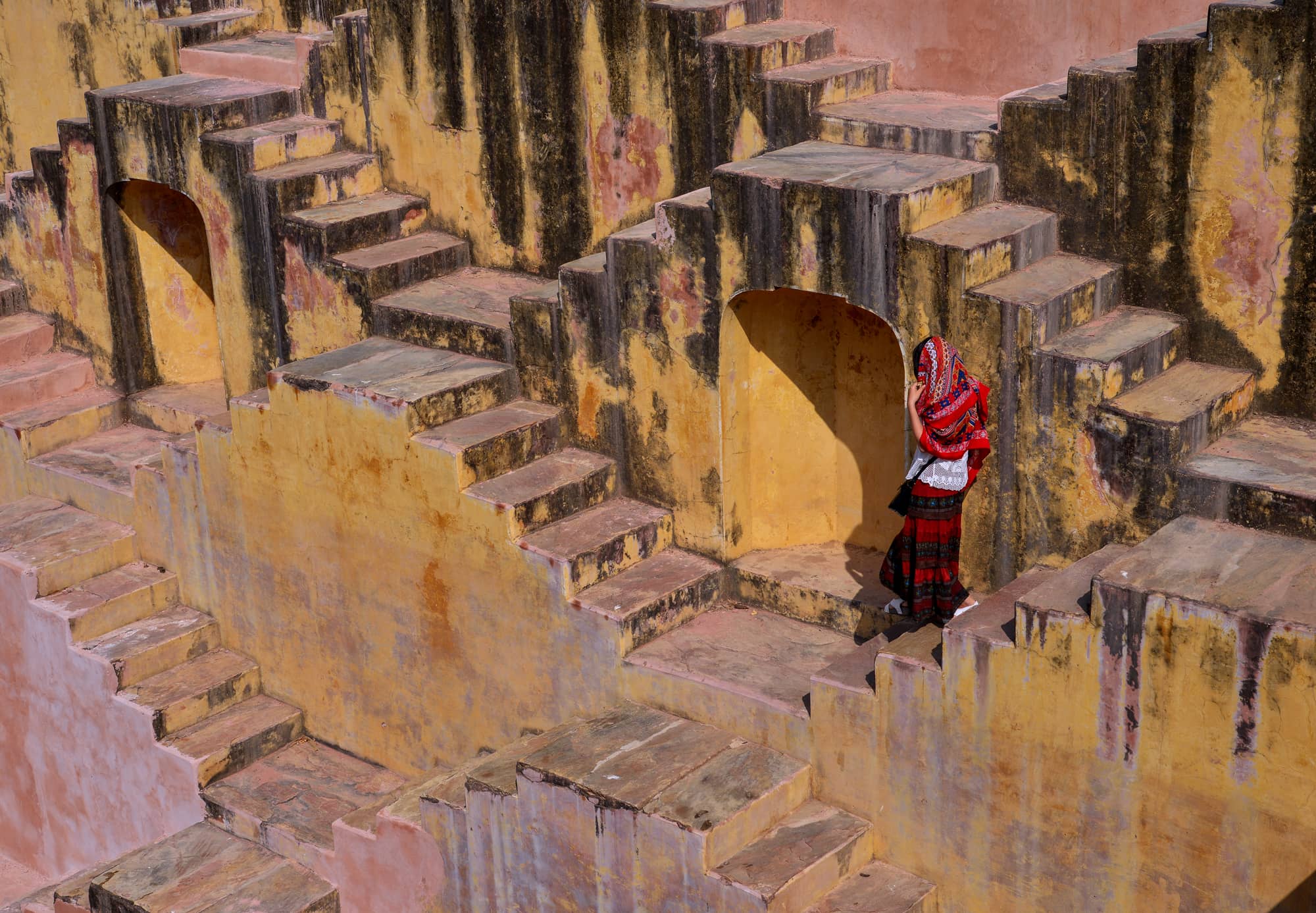
 Here and There Across the East (Тамо амо по Истоку ) The translation consists of parts of a travelogue by the Serbian doctor and academic Milan Jovanović Morski. After getting his degree in medicine in Leipzig in 1867, he travelled for some time as a cruise-ship doctor for the Austrian company “Lloyd” and wrote accounts of his visits to India, China, and other Asian countries.
 De thugs, eene sekte van moordenaars, in Indië (The thugs, a sect of murderers, in India) Translation of a Dutch 19th-century newspaper article on the so-called ‘thugs’, robbers who were allegedly motivated by their religious beliefs and followed a specific modus operandi: they strangled and robbed unsuspecting travelers on desolate travel routes and claimed to follow ‘divine instructions’ from Kali. The article was published in three parts in the regional newspaper Vlissingsche Courant in 1837.
 De Indische krisis uit het standpunt van christelijke beschaving beschouwd (The Indian crisis, as seen from the viewpoint of Christian civilization) A translation of an article on the ‘Great Mutiny’ or Indian Rebellion of 1857, where the author relates it to the policy of religious neutrality of the East India Company. The original Dutch article was published in 1858 in a periodical of the Dutch Reformed Church but was itself a translation of a German text by Dr. Wilhelm Hoffman.
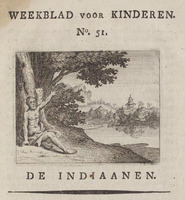 “De Indiaanen” in Weekblad voor kinderen ("The Indians" in Weekly for Children) Translation of a Dutch text which appeared in 1799 in a weekly that targeted an audience of children aged between six and twelve. Its content shows how problematic many late-18th-century European accounts of Indian ‘religion’ and society were and how these built on certain presuppositions about race and religion shared by the author and his young readers.
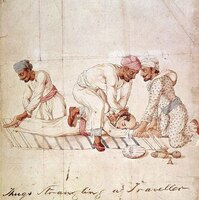 De thugs in Indie (The thugs in India) Translation of a Dutch article on the Indian ‘thugs’, originally published in 1872 in a periodical of the Dutch Reformed Church. Written by a reverend of this Calvinist church, it was meant for a Protestant-Christian public and sought to illustrate the ‘horrors’ of heathen religion.
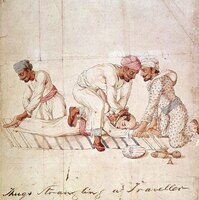 De thug’s; een ijselijke moordenaarssekte (The thugs; a horrifying sect of murderers) A translation of a Belgian newspaper article on the thugs, originally written in Dutch and published in 1933. The author draws on a British book by James L. Sleeman and describes the eradication of thuggee as an illustration of the positive effects of British colonial rule in India.