
Items
Language is exactly
Czech
-
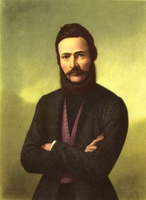 On the Affinity and Difference between the Slavs and the Indians. Excerpts from O národních písních a pověstech plemen slovanských (On National Songs and Myths of Slavic Peoples) In these excerpts from O národních písních a pověstech plemen slovanských (On National Songs and Myths of Slavic Peoples, 1853), Ľudovít Štúr (1815–1856), who was one of the most important figures of the Slovak national revival, claims that the pantheistic worldview appears strongly in both Indian and Slavic traditions. According to him, Indian tradition seeks union with the divine through suppressing thought, desire, emotion, and even life itself, whereas Slavic legends emphasise courage, action, self-denial, and helping others. He thus sees a fundamental affinity and difference between the Slavs and the Indians.
-
 Lampa k Hatha-jógu (The Lamp to Hatha-yoga) Translation of a preface to the Hatha-yoga pradipika, by the Czech occultist, mystic, and writer Karel Weinfurter, originally published in 1936.
-
 Jest buddhismus náboženství vhodné pro Evropana? (Is Buddhism a religion convenient for Europeans?) Translation of an article that provides the Czech scholar of religion Otakar Pertold’s response to the increasing popularity of Buddhism in Europe in the second half of the 19th century. This popularity led many Europeans to leave their countries and take refuge in the Three Gems in Buddhist monasteries across Asia, most commonly in contemporary Sri Lanka and Myanmar. Pertold bases his radical “no” to the question in the title on two grounds explained in the translated text.
-
 “Indya wychodnj” (East India), in Geograffia aneb Wypsánj Okrsslku Zemského (Geography, or a Description of the Earth’s District) The translation consists of the section on ‘East India’ from a work by the Slovak Protestant cleric, writer, and educator Ladislav Bartholomeides, who played a key role in spreading Enlightenment ideas in the Kingdom of Hungary. His account of India is the earliest known of its kind in Slovak culture.
-
 Obrázky z Bengálska (Pictures from Bengal) The text is a translation of excerpts from a work by the Czech scholar and writer Milada Ganguli, where she relates her experiences of the Bengal famine of 1943, during which she worked as a volunteer. Née Milada Sýkorová, the author left Czechoslovakia for India in 1939, accompanied by her Bengali husband, and passed away in Calcutta in 2000.